
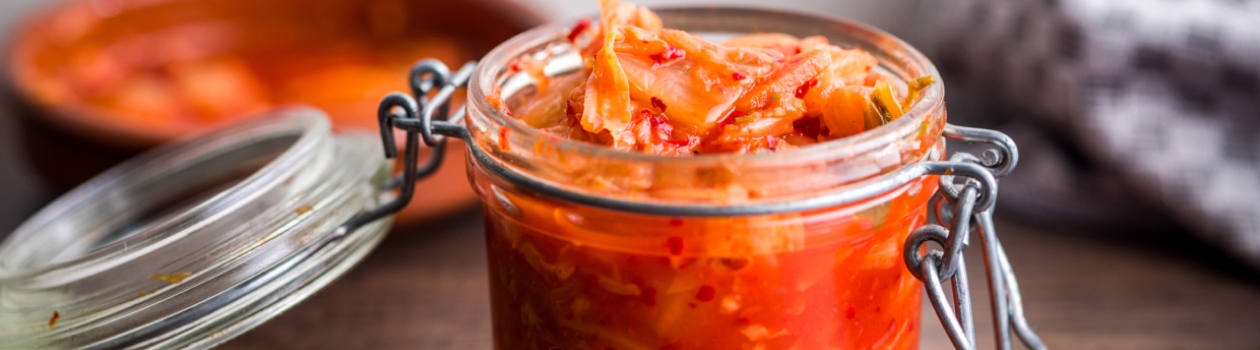
Sauerkraut, kefir, kombucha, misa and kimchi: fermented foods are much more than simply a trend. Discover how fermentation works, its benefits and best products to incorporate into your diet.
What is fermentation?
Fermentation is a natural process in which microorganisms, such as bacteria, yeasts and select moulds, convert the sugars that are present in food. This transformation produces various compounds, notably acids, alcohol and carbon dioxide, which modify the taste, aroma and texture of foods. This is what gives sauerkraut its tangy flavour, kombucha its bubbles, and miso its complex notes.
– An ancient preservation method
Long before being associated with microbiota, fermentation was primarily used to preserve harvests. By creating conditions inhospitable to unwanted germs, it extended the shelf life of foods while preserving their safety. This ancestral technique remains a simple and economical way to utilize garden surplus or vegetables bought in large quantities.
– Benefits that attract attention
Today, fermented foods are also generating interest for their potential health benefits. Unlike pasteurized products, where heat treatment eliminates the majority of microbes, certain unheated fermented foods such as fresh kimchi, kefir and artisanal miso still contain live bacteria. These can contribute to the diversity of the gut microbiota, the bacterial ecosystem that inhabits our digestive tract.
Fermentation can also make certain foods easier to digest. By breaking down certain sugars, such as lactose, this explains why yogurt is often better tolerated than milk by lactose-intolerant individuals. It also acts on phytic acid, a compound naturally present in grains and legumes, which promotes better absorption of minerals like iron and zinc.
Although research is still ongoing, many experts consider fermented foods to be a great way to enrich one’s diet.
How to Know if a Fermented Food Contains Live Bacteria
- Read the label
Search for the words “active cultures” or “live cultures.”
- Verify the preservation method
Products containing live microorganisms are generally preserved in the refrigerator rather than room temperature.
- Choose craft (or homemade) products
Craft versions or those sold in health food stores are often non-pasteurized when compared to manufactured goods and are more likely to contain live cultures.
The Main Types of Fermentation
1. Lactic fermentation
This is the most well-known in the health food world. Bacteria convert sugars into lactic acid, which sours the food and extends its shelf life. It’s notably found in sauerkraut, kimchi, fermented pickles and yogurt. Kefir, for its part, is the result of a combination of lactic and alcoholic fermentation.
2. Alcoholic fermentation
Yeasts convert sugars into alcohol and carbon dioxide. This process is the basis for making wine, beer and cider. Sourdough bread also relies on this process, combined with lactic fermentation to create its signature tangy flavour.
3. Acetic fermentation
It enables the transformation of alcohol into acetic acid, the main component in vinegar. It’s found in apple cider vinegar, wine vinegar and balsamic vinegar.
4. Mould fermentations
Certain beneficial moulds are used in the production of miso, tempeh and several cheeses. As for soy sauce, it involves a more complex process combining moulds, lactic fermentation and alcoholic fermentation.
Which fermented foods should you add to your diet?
Fermented vegetables are among the easiest options to adopt. Sauerkraut, kimchi, lacto-fermented pickles or fermented carrots bring a tangy touch to salads, sandwiches and power bowls.
When it comes to dairy, yogurt and kefir remain must-haves. You can easily enjoy them at breakfast or as a snack.
Miso and tempeh are also worthy of a prominent place in your kitchen. Made from fermented soybeans, they offer rich and umami flavours that enhance soups, marinades, dressings and meatless dishes.
Finally, fermented beverages like kombucha, water kefir and fruit kefir are excellent alternatives to sugary soft drinks.
Can you ferment foods at home?
Absolutely. Vegetables are generally the easiest place to start. Cabbage, carrots, radishes, beets and cucumbers all yield excellent results with very little equipment. All you need are vegetables, salt, a clean container and a bit of patience.
To make sure your homemade ferments are safe, it’s important to follow the recommended salt amounts, use clean equipment and watch for any unusual odours or mould growth.
Take your first steps into the world of fermentation by discovering the basics of DIY kombucha.

